Marketing counsel with a seat at your boardroom table.
Every company already runs marketing by committee. The owner has a vote. The president has a vote. The board has a vote. None of them signed up to be the marketing expert. Now one person in the room is.
- You get a marketing executive who has actually run the P&L, not just presented to it.
- One accountable principal, not a rotating account team.
- Built for Alberta's energy, construction, transportation, and industrial operators done paying committee prices for junior work.
- Chief Marketing Officer for a $300M Alberta Energy Company
- Ownership of multi-million dollar marketing budgets with full P&L
- Official spokesperson for a major Alberta regulatory body
The agenda
Four standing engagements a leadership team can bring to the table, individually or in combination.
Fractional CMO placement
A seat on your leadership team. One day a week in person, the rest remote. You get an executive who owns the marketing function the way a CFO owns the numbers. Six month minimum.
Marketing strategy and audits
A full accounting of where your marketing spend actually goes, what it returns, and what your current agency or team isn't telling you. Run it once, or annually to keep everyone honest.
Board and executive advisory sessions
Monthly execution under one accountable principal. I run the campaigns myself, and bring in specialists from my network only when a scope genuinely needs more hands. You never get handed off.
Growth and revenue consulting
A standing quarterly review of what's working, what isn't, and where the budget should move next. The committee meeting your marketing has never actually had.
How a sitting runs
Every engagement moves through the same four motions before anything reaches your budget.
Called to order
We find out what's actually happening. Every channel, every dollar, every assumption tested against real numbers.
• DiscoveryOld business reviewed
We name what's broken and what's working. No committee softens this part.
• DiagnosisNew business proposed
A specific plan. Specific numbers. A specific owner for each line. Yours to approve, mine to run.
• PrescriptionMotion carried
The plan goes live. I run it, report on it monthly, and adjust it in front of you, not behind a slide deck.
• ExecutionThe executive
One principal, accountable for every sitting - no handoffs, no junior bench.
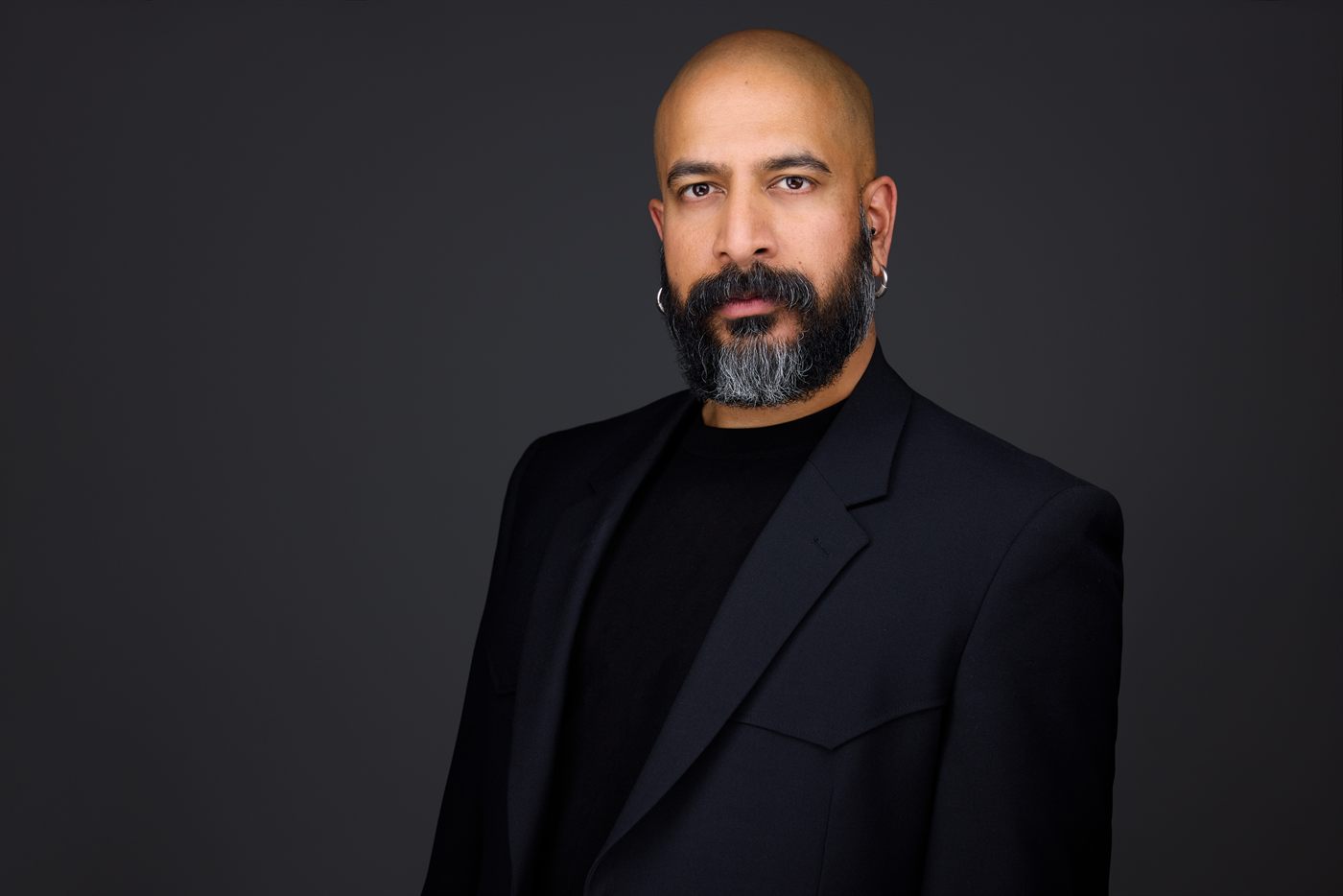
Gurshan Dhillon
Chief Marketing Officer
Every company already runs marketing by committee. The difference here is who's chairing it.
Gurshan builds marketing functions that owners and CFOs can underwrite. Engines measured in payback period and margin, not impressions.
As Chief Marketing Officer of a $300M Alberta energy company, he held full P&L accountability and rebuilt the commercial model around lifetime value - proving existing accounts return 3.4x the margin of new ones ($9,190 vs. $2,718) and redirecting spend accordingly. Result: gross margin up 14.2% to $21.4M on flat volume, and a go-to-market cost restructure that turned a $229K-loss acquisition channel into a $401K contributor, lifting return on new-business spend from $0.84 to $1.50 per dollar.
He built the pipeline machinery behind those numbers: a 115,000-contact B2B database converted into a predictable channel generating 20+ qualified leads a week at $58 each, plus a proprietary prospect-scoring tool that opened an entire equipment-intensive segment invisible to traditional field sales. The result: $17M in incremental revenue and monthly sales volume up 6x.
Before that, as Senior Communications Advisor to the Government of Alberta, he served as spokesperson for a major regulatory body through workplace incidents, international missions, and legislative overhauls - the training ground for advising boards under real pressure.
Bachelor of Marketing, University of Alberta.
When a scope needs more hands, Gurshan draws from a small network of specialists he's worked with for years, and stays the one person accountable for what they produce.
Industrial is not a vertical he researched. It is the only one he has worked in.
Points of Order
Why "Marketing by Committee"?
Because every company already has one. The owner has an opinion on the ad campaign. The president has an opinion on the logo. The board has an opinion on the budget. That's a committee, whether anyone calls it one or not, and it usually runs without a single person in the room who's actually done this for a living. Marketing by Committee puts an expert in that chair. When a project needs more than one person, the committee extends to a small network of vetted specialists, still run by one accountable principal.
What is a fractional CMO?
A fractional CMO is an experienced Chief Marketing Officer who works with your company part-time or on a defined engagement, providing executive-level marketing leadership without the cost or commitment of a full-time hire.
What does it cost?
Fractional CMO placement runs $6,000 to $10,000 per month (or $72,000 to $120,000 per year) on a six month minimum, with one day in-person a week, the remainder remote. That is roughly the same cost as hiring a marketing coordinator or manager in Alberta.
A full-time CMO in Canada costs $260,000 to $355,000 a year once you load salary, benefits, payroll taxes and recruiting fees.
Do you do the work, or only advise?
Both, and the difference matters. I have built the campaigns, written the copy, run the ad accounts and built the websites myself, so I know exactly what good work looks like before I hand anything off. AI tools let one operator now cover work that used to need a department, and I use those same tools daily. On a retainer, I execute directly, and when a project calls for a specialist I don't have in-house hours for, I bring one in from my network and stay accountable for the result. You deal with me. I deal with whoever's needed.
How is this different from a marketing agency?
An agency is accountable for activity. I am accountable to the P&L. Agencies are hired to fill the top of the funnel. I am hired to decide whether that funnel should exist, what a customer is worth, and where the margin actually lives.
Most agency and in-house overhead exists because marketing used to require a standing department: a videographer, a web developer, a social media coordinator, a PR contact, a budget analyst. AI tools, including the ones behind this website, have collapsed most of that work into what one operator can run directly. When a scope genuinely needs more hands, I draw from a small network of vetted specialists instead of carrying their salaries year round, and I stay the one person accountable for what they produce. Often my first recommendation is about the agency you already have, and how much of its overhead you're still paying for.
What industries do you work with?
Alberta's industrial sector. Energy, transportation, civil construction, forestry, mining, agriculture and fleet. Typically companies with a sales team already in place and little or no marketing function, or a marketing function nobody is holding to a number.
How many clients do you take?
Three at a time. I run every engagement personally, and when a project needs a specialist the network gets called in under my direction, not a rotating account team. You always deal with the same person. When the seats are full, new engagements start on a waitlist.
How long do engagements run?
Six months minimum. Marketing that changes a revenue number does not do it in eight weeks, and any advisor who tells you otherwise is selling you a deck.
Where are you based?
Edmonton, Alberta. I work with leadership teams across the province in person or by board call.